There is a reason the best product launches lead with motion. When you are explaining something abstract, a platform architecture, a multi-step workflow, a security posture, a static image asks the viewer to do all the interpretive work. They have to map the diagram to the concept, fill in the cause and effect, and construct the narrative themselves. Most people will not. They will read the first line of the caption and move on.
Animation does that work for them. It sequences the information. It decides what the viewer sees first and what builds on it. It draws attention to exactly the element you need them to notice and holds it there for exactly as long as the argument requires. That sequencing is not available in a still image, and for complicated products it is often the difference between a viewer who grasps the value proposition and one who bounces.
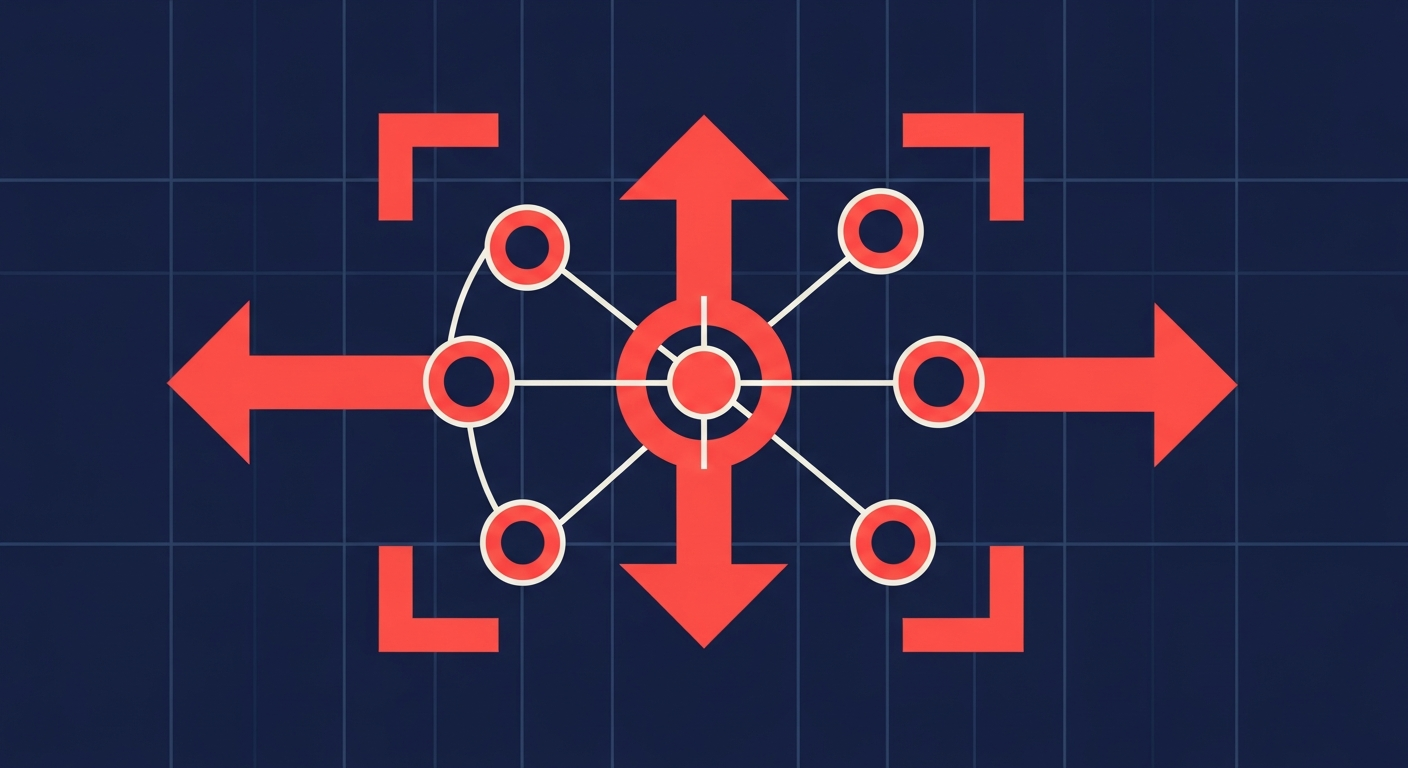
The style decision, whether to use 2D, 3D, mixed media, or motion graphics, is a strategic choice, not an aesthetic one. 2D animation is flexible, fast to produce, and extremely effective for explainers that need to communicate a process or a workflow. The Clear Skye identity governance platform is genuinely difficult to explain in a paragraph because it is a system with many moving parts. An animated architecture diagram that shows how access requests, approvals, and data flow through the platform teaches in thirty seconds what a written explanation takes five minutes to approximate.
3D animation earns its higher production cost when the product itself has physical form, or when the communication goal requires a sense of scale and material quality that 2D cannot provide. The TecSense TecPen was a precision oxygen-analysis instrument that looked flat and forgettable in the existing 2D product photography. A photoreal 3D render and animated reveal changed what buyers saw: a precision instrument with real heft, real materials, and a rotational reveal that communicated the build quality before a single spec was read.
The most common mistake in corporate animation is producing a video that looks expensive but teaches nothing. This happens when the brief is 'make an impressive video about us' rather than 'by the end of this video, the viewer should believe this specific thing.' Without a clear belief objective, the production team fills the runtime with visuals that demonstrate capability, smooth transitions, polished 3D renders, without ever building an argument that earns the viewer's trust in the product.
Script precedes storyboard, every time. The script is where the argument is built: what does the viewer know at the start, what do they need to believe at the end, and what is the most direct path between those two points. The visual style amplifies the argument. It cannot substitute for it. An animated video with a weak script and a strong visual style is a beautiful thing that changes nothing.
Pacing is the variable that separates videos that keep an audience from videos that lose them. The instinct in corporate animation is to slow down, to give every concept time to land. The right instinct is to trust the viewer: if the script is clear, the visual will reinforce it without needing four extra seconds of hold time. The Shadow-Soft brand video works because it moves at the pace of confident expertise. It does not hedge or explain twice.
Mixed media works for brands that have too much personality for pure motion graphics and too much technical complexity for live action. It lets the visual style match the creative register: rough and tactile for a brand with grit, clean and precise for a technical platform, warm and kinetic for a consumer product. The technique serves the message. Where a single technique would feel limiting, mixing them gives the editor permission to shift register mid-video in a way that keeps audiences watching.
The practical considerations that most creative briefs underweight: social cuts. The sixty-second explainer that works in a sales email needs a fifteen-second version for LinkedIn and a nine-second version for paid social. These are not afterthoughts to trim after the main production. They are distinct pieces with distinct objectives and should be planned at the script stage so the narrative can be structured to serve them. A well-structured production produces all three cuts from the same shoot without the feel of being arbitrarily shortened.
The companies that invest in animation for their complicated products are not doing it because they ran out of simpler options. They are doing it because they understood something: for a product that is genuinely difficult to understand, the quality of the explanation is part of the product evaluation. A growing company that explains a hard thing simply signals that the team behind the product understands what they built well enough to communicate it. That signal earns credibility. And for a buyer who is going to live with this product for three years, credibility is the currency that moves deals.